 +49 641 962820
Silk Fabrics
Silk fabrics as woven or jersey, dyed or natural
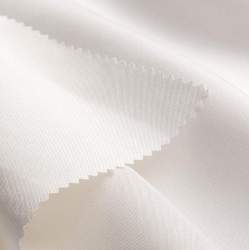
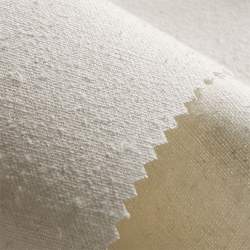
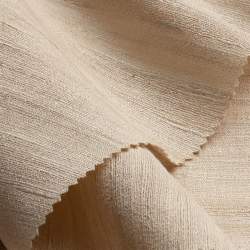
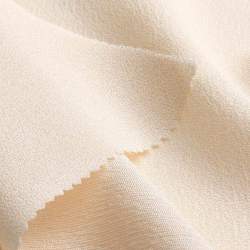
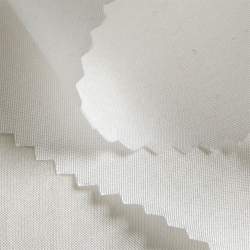
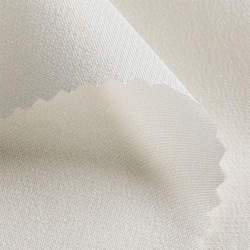
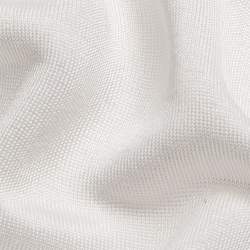
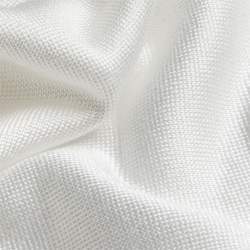
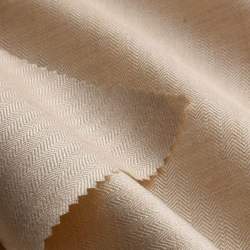
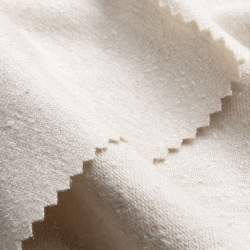
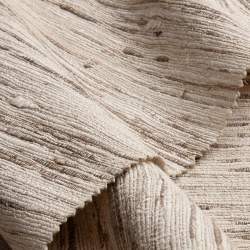
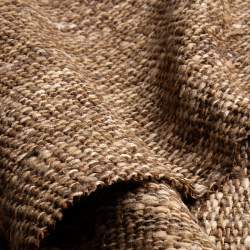
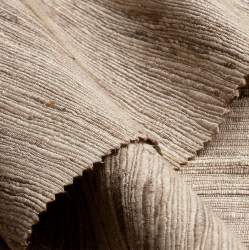
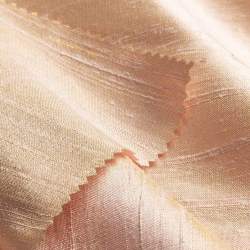
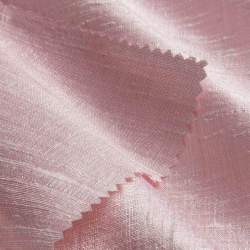
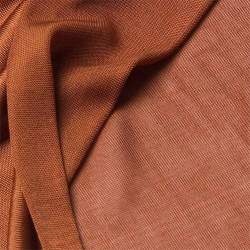
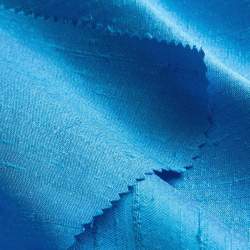
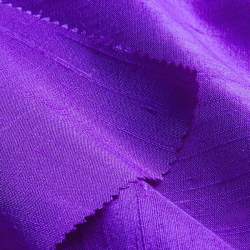
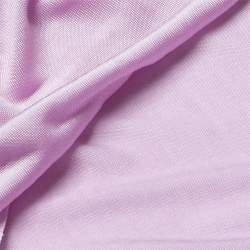
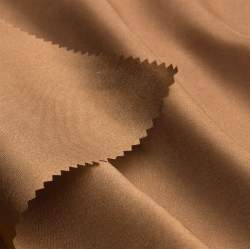
Silk jerseys and fabrics from chiffon to heavy wild silks, natural or (plant) dyed, smooth or as a nubby bourette, also silk blends.
more ...
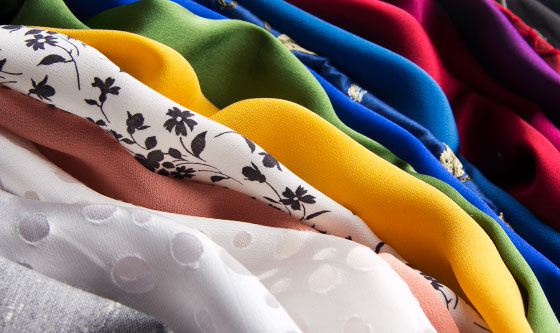
Silk jerseys and fabrics from chiffon to heavy wild silks, natural or (plant) dyed, smooth or as a nubby bourette, also silk blends.
more ...
 Available now!
  Available now!
  Available now!
  Available now!
  Available now!
  Available now!
  Available now!
 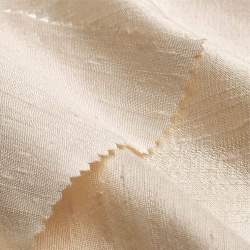 Available now!
 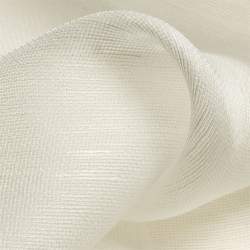 Available now!
 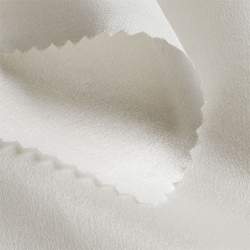 Available now!
 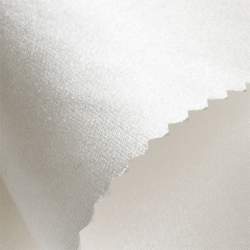 Available now!
 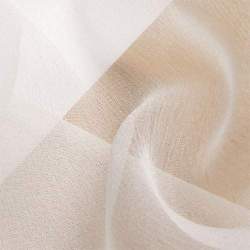 Available now!
  Available now!
 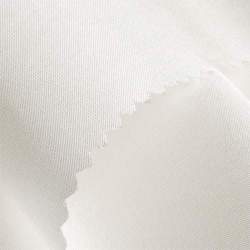 Available now!
 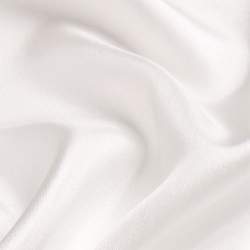 Available now!
  Available now!
  Available now!
  Available now!
  Available now!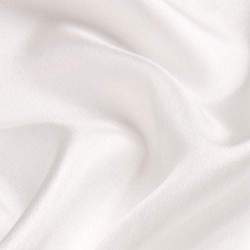
 sold out
  Im Zulauf!
 Available now!
  Available now!
  Available now!
  Available now!
  only limited stock available !
  Available now!
  Available now!
  Available now!
  Available now!
  Available now!
  Available now!
 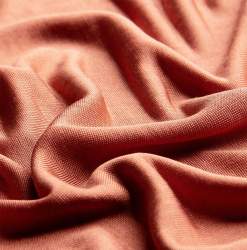 Available now!
 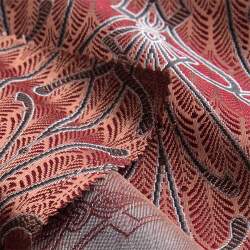 Available now!
 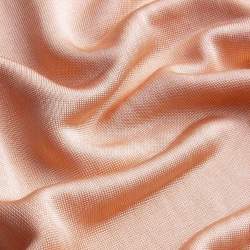 Available now!
 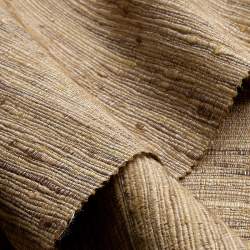 Available now!
 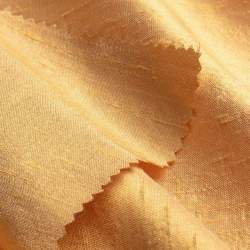 Available now!
 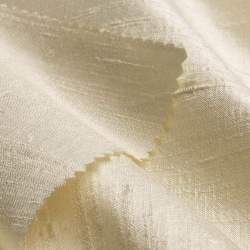 Available now!
 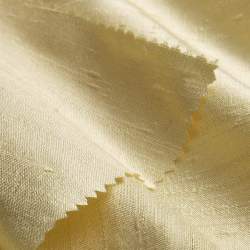 Available now!
 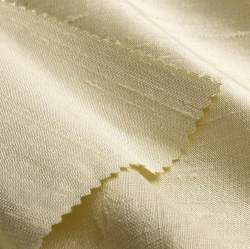 Available now!
 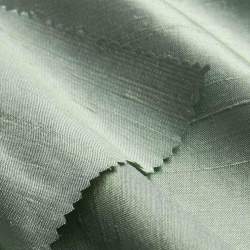 Available now!
 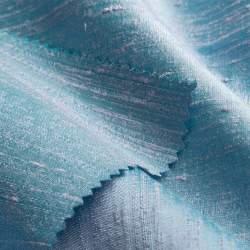 Available now!
 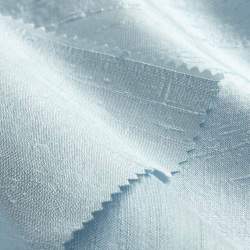 only limited stock available !
 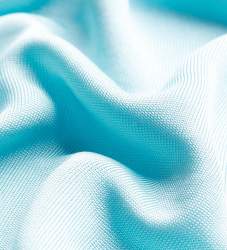 Available now!
  Available now!
  Available now!
  Available now!
  only limited stock available !
 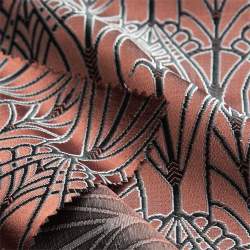 Available now!
 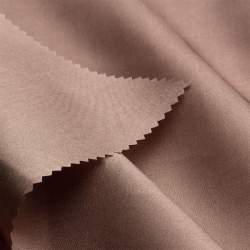 Available now!
 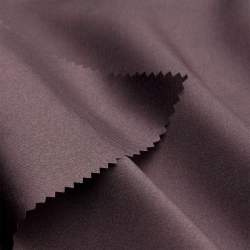 Available now!
 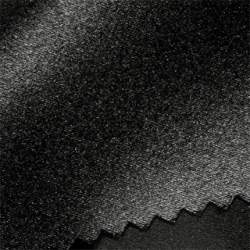 Available now!
 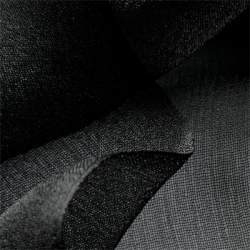 Available now!
 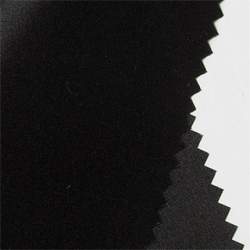 Available now!
 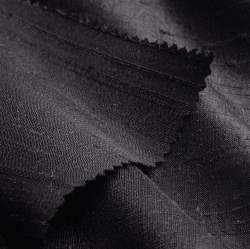 Available now!
 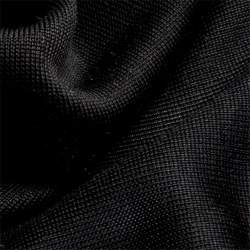 Available now!